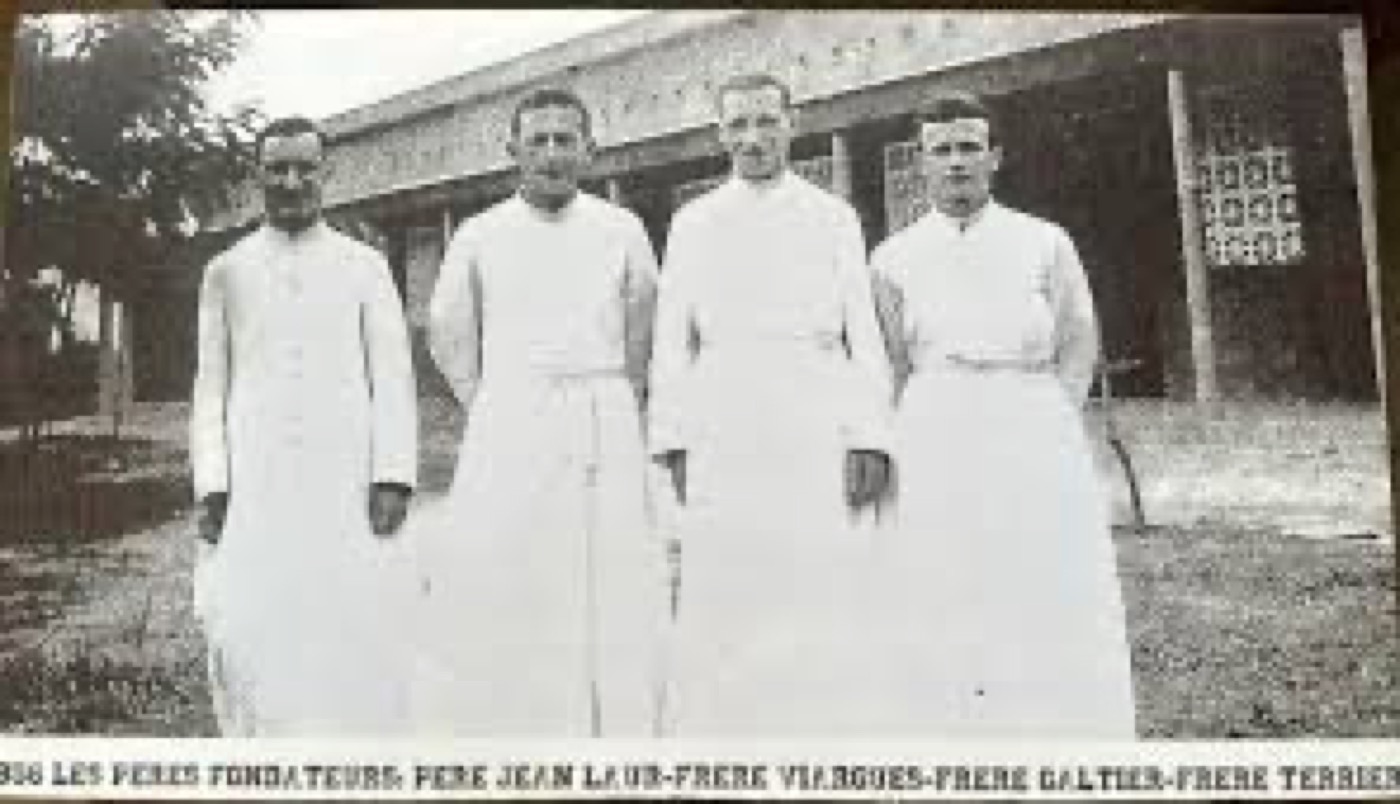
1955. The Viatorians pitched their tent in this country of enormous potential, whose surface area is 322,462 km². Its population is 23,202,000 inhabitants, of whom 25% are immigrants from neighboring countries. Ivory Coast is considered the "locomotive" of West Africa. It was in this beautiful country that, in 1955, at the request of Monsignor Duirat, the first bishop of Bouaké, Br. Roger Viargues was sent as an educator and missionary by the Viatorians of France. He arrived as a precursor to prepare the Normal School, which would open its doors the following year, the year in which three other pioneers arrived: Jean Laur, René Galtier, Célestin Terrier.
1964. A first-cycle college opens in Ferkessédougou, in the north of the country, with Fr. Jean Laur as director of the educational team, Br. René Galtier and a cooperator; the following will succeed him as directors: Brothers René Galtier, George Lafont, Roger Viargues, Antoine Chomiène, and Mr. Be Raphael, associate. In Bouaké, the Normal School ceases its activity to leave all the space for a college.
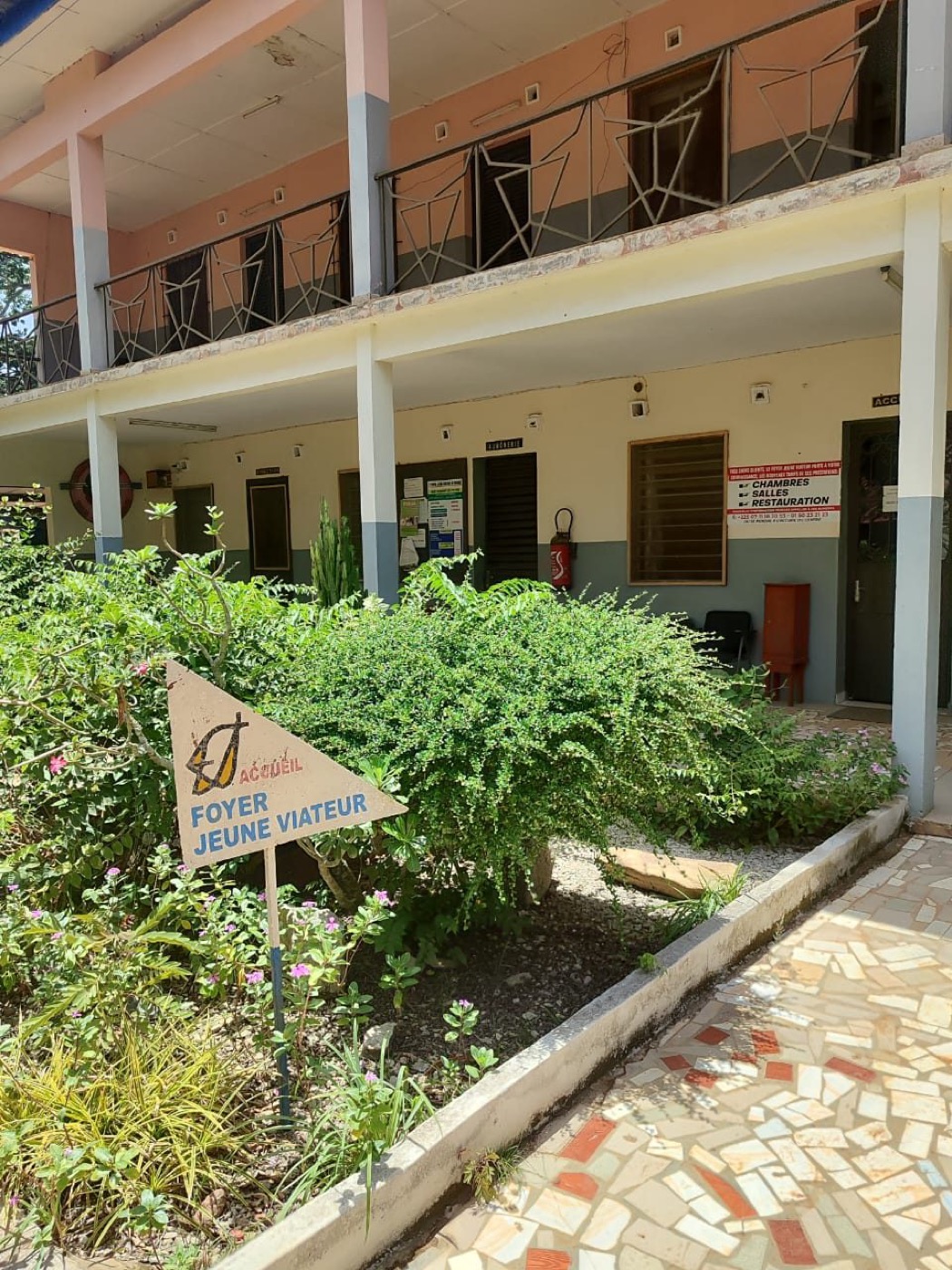
1967. Creation of the Young Viator hostel in Bouaké to welcome young people in vocational search. It will quickly become a diocesan reception center for groups and various Christian and religious communities.
1982. The Viatorians take charge of Our Lady of Nazareth Parish in Bouaké. The commitment of the first “Companions of the Viatorians,” young people in vocational search, is realized.
1985. First commitments of lay associates. Opening of a community in Abidjan.
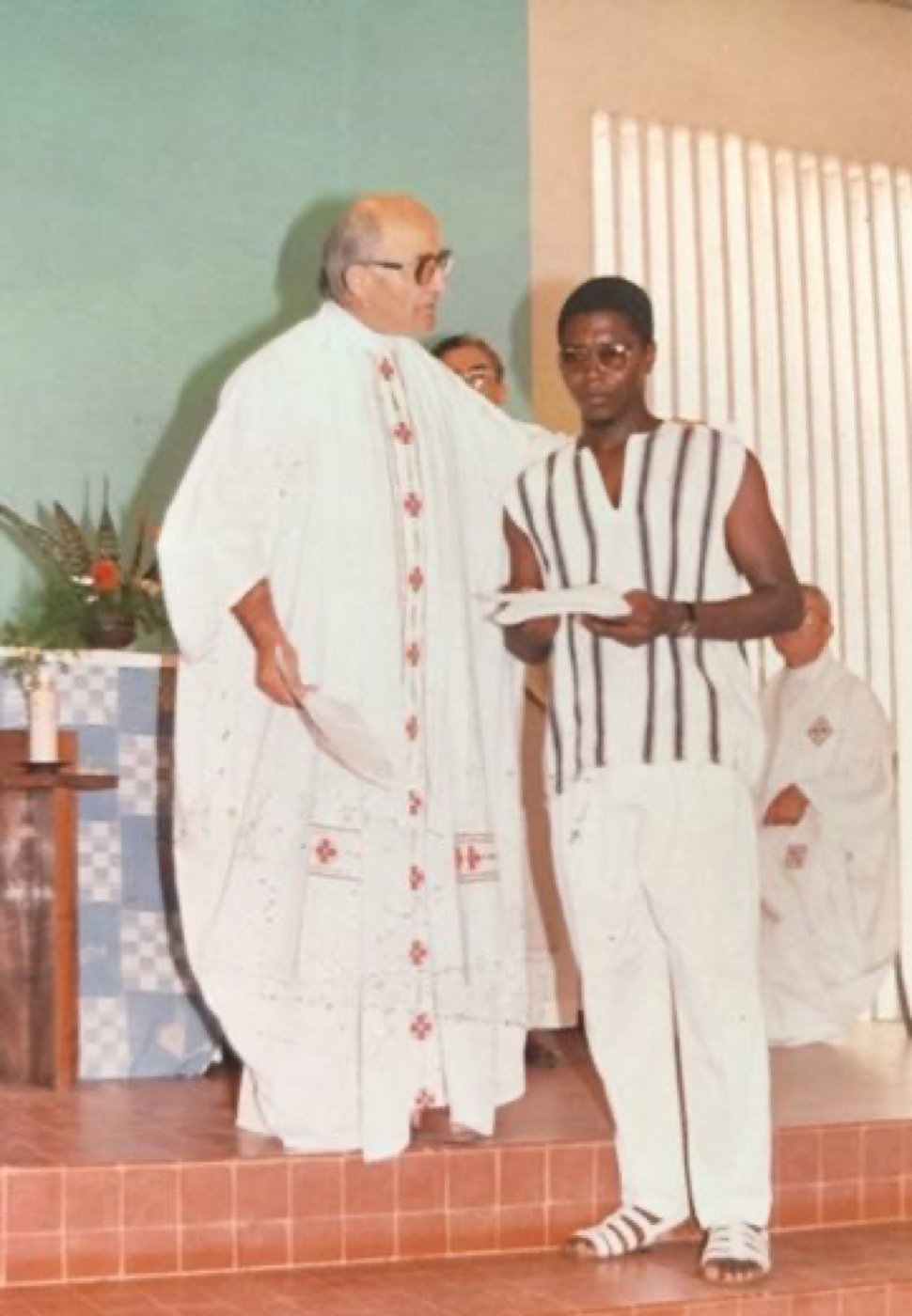
1990. Brother Amouin Koménan Vincent, Ivorian, pronounces his first vows as a Viatorian religious. He entered the novitiate on October 22, 1988.
1991. As of September 1, the foundation has 10 associates.
1998. Brother Ernest Goudjinou, of Beninese origin, pronounces his perpetual vows. He entered the novitiate on January 01, 1991; from the 3rd promotion.
1999. The Viatorian foundation of Ivory Coast, headed by Fr. Roger Debaud, has fifty members: 20 religious, half of whom are of African origin, 23 associates, 4 novices, 3 postulants, and some pre-associates. Other Brothers, not only from France but also from Canada and Spain, shared in the birth and development of the Viatorian Foundation of Ivory Coast.
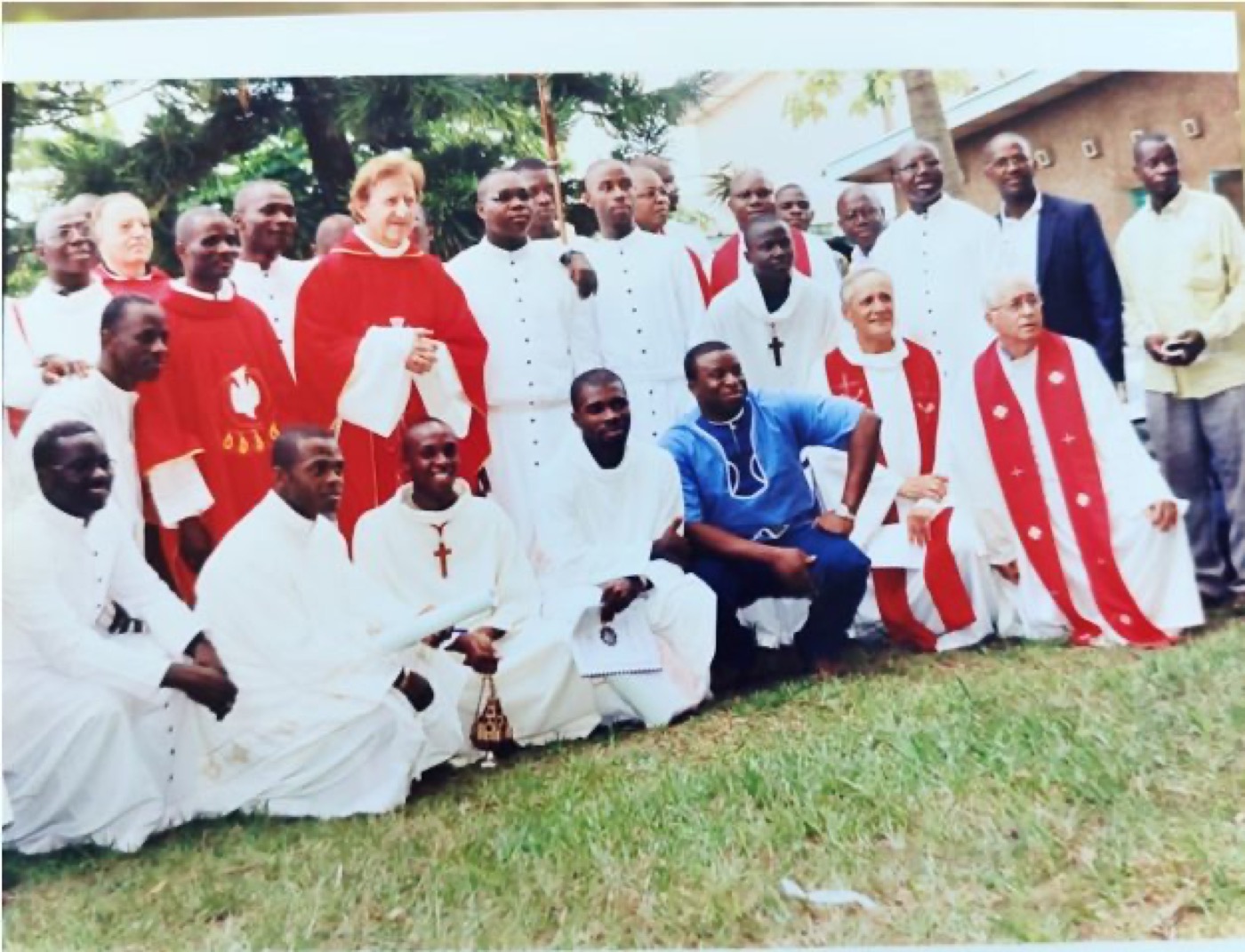
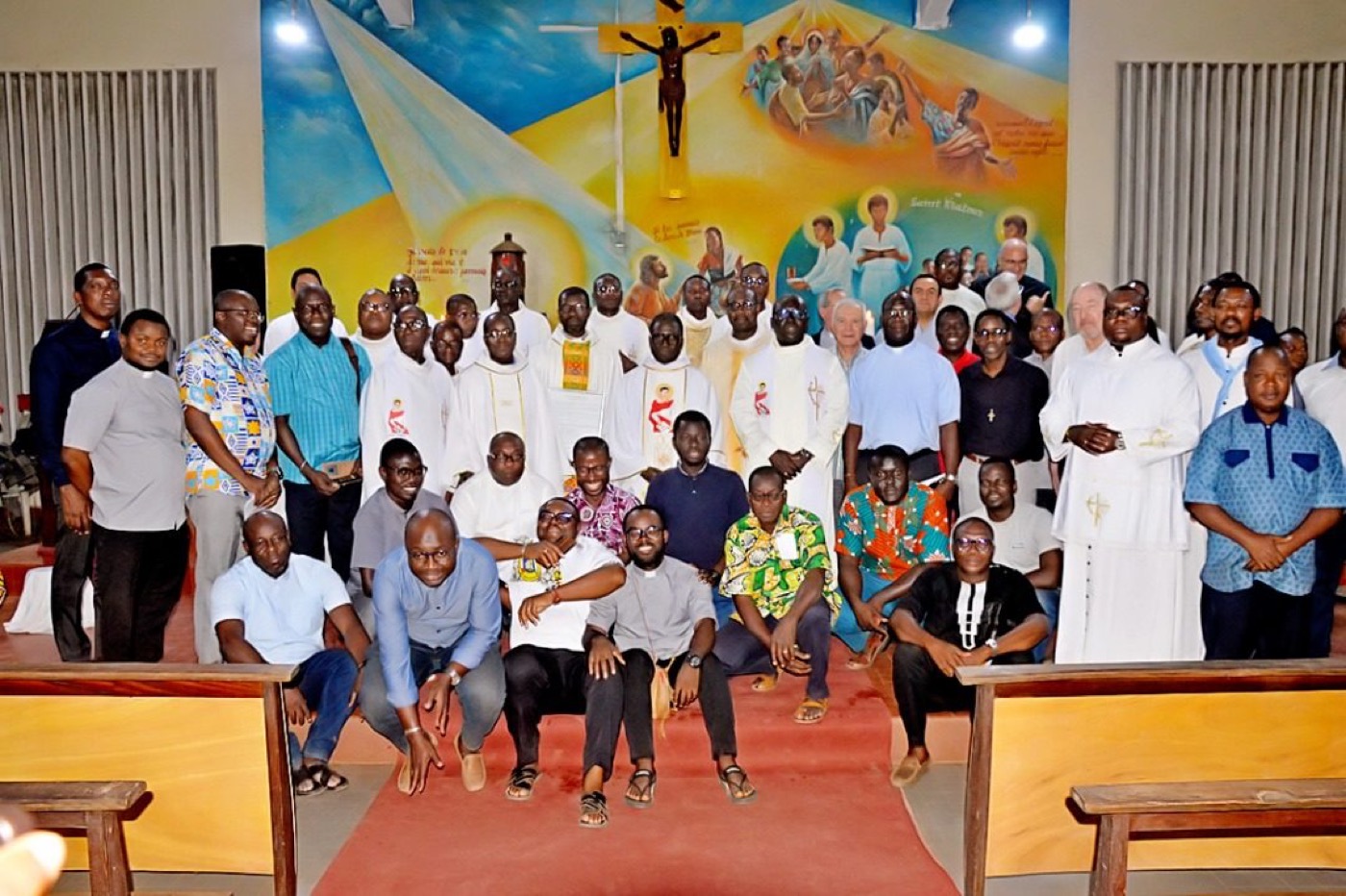
On May 27, 2012, Pentecost Day, the Foundation of Ivory Coast becomes The Vice-Delegation of Ivory Coast. Then came the transition to the Region of Ivory Coast, which did not occur as spontaneous generation. It is the culmination, without being an end, of a long journey. On May 31, 2024, in Vourles, on the date celebrating the 185th anniversary of the publication of the Apostolic Letters of H.H. Gregory XVI, by virtue of General Regulation 200 § 2, Fr. Mick Egan, Superior General, with the unanimous consent of the General Council, granted for a determined period, the status of “The Region of Ivory Coast.”
Today, the Viatorians are present in three cities in Ivory Coast where they exercise a varied apostolate. Currently, the Region of Ivory Coast has 50 religious and 39 associates. Among the 50 religious, there are 11 religious with temporary vows and 39 with perpetual vows, of whom 12 are priests and two are deacons.
The Region of Ivory Coast consists of 7 local communities, among which three are houses of formation (the postulantship, the novitiate, and the scholasticate), one quasi-parish, and two parishes.
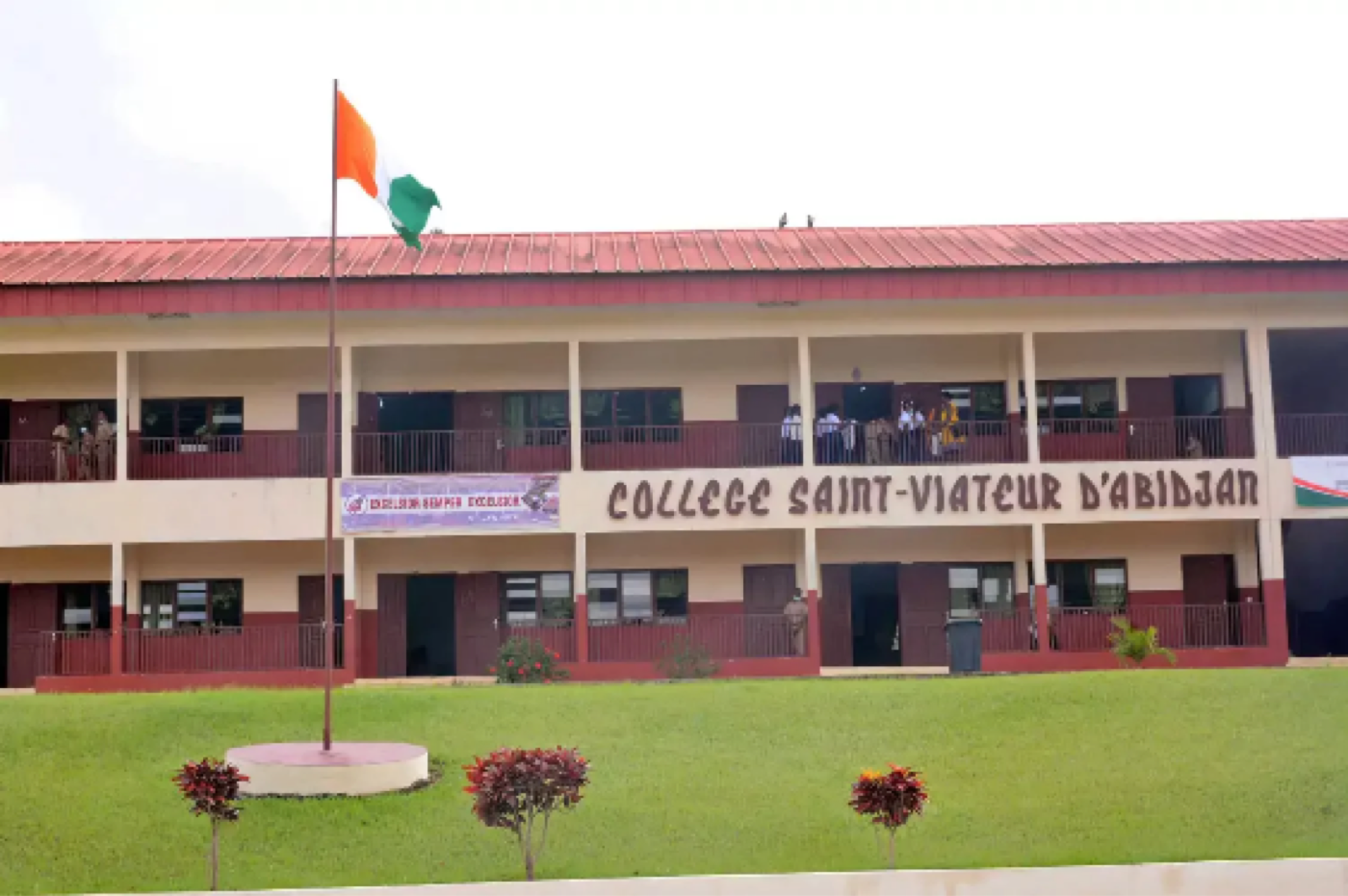
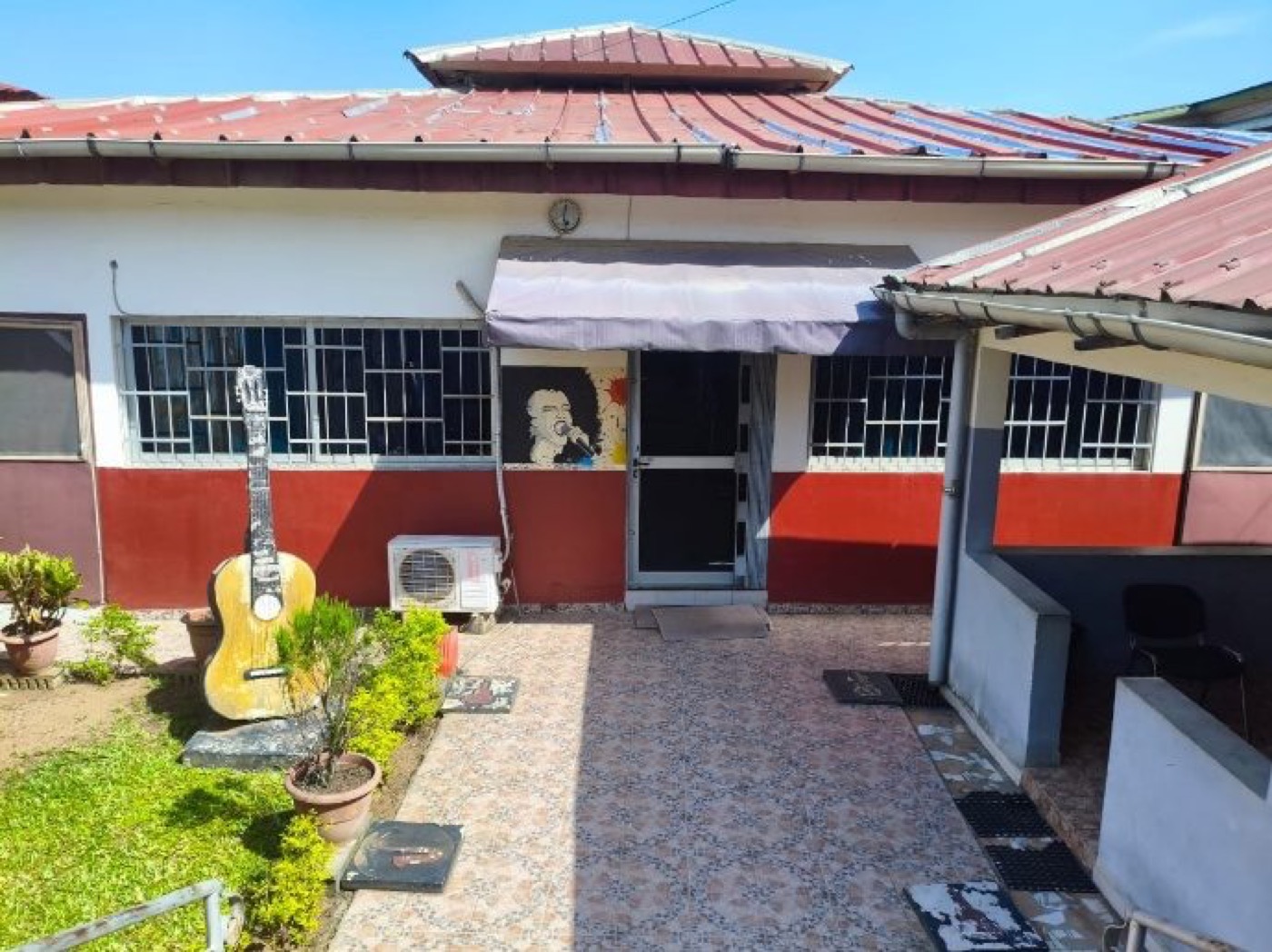
In the south: two communities; the Scholasticate and the community of Saint Viator College of Abidjan and the Saint Viator Conservatory.
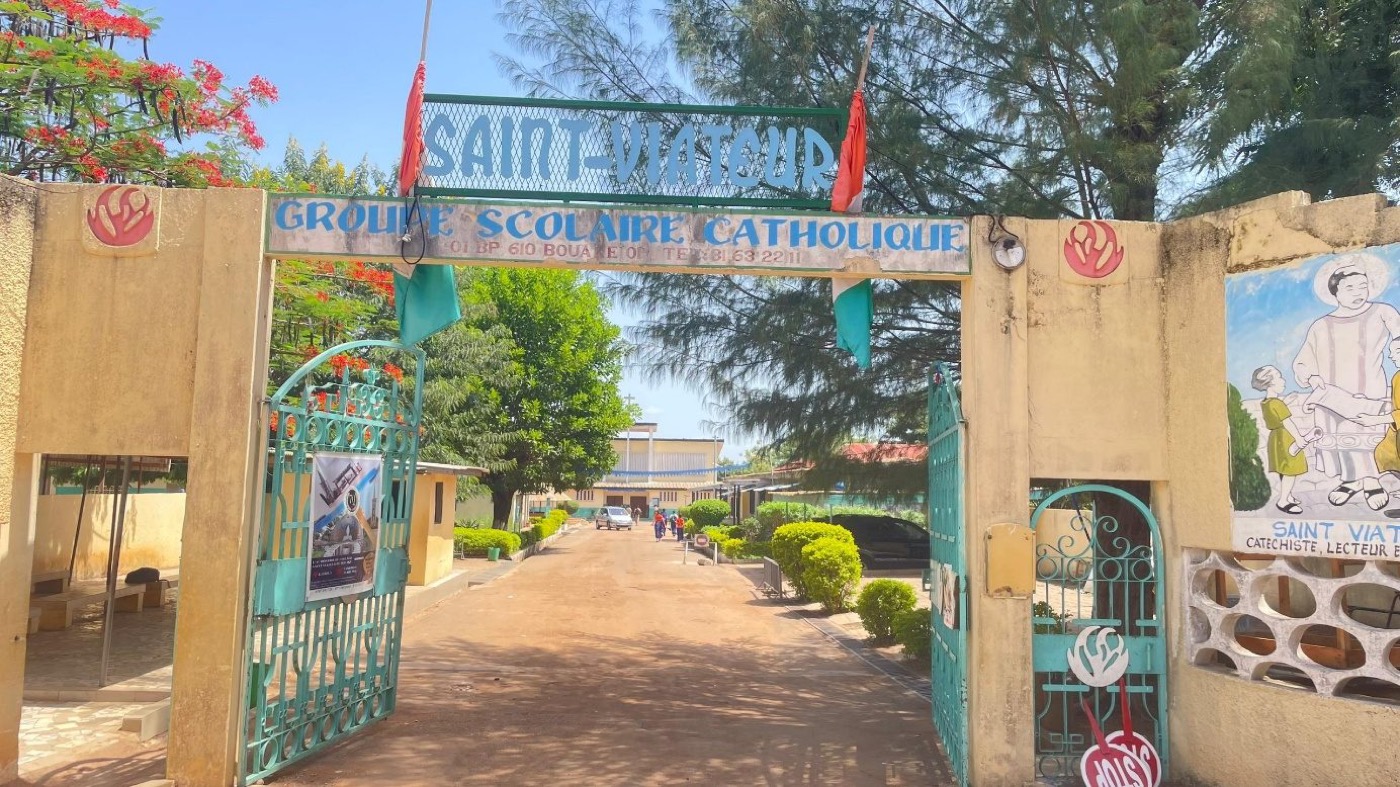
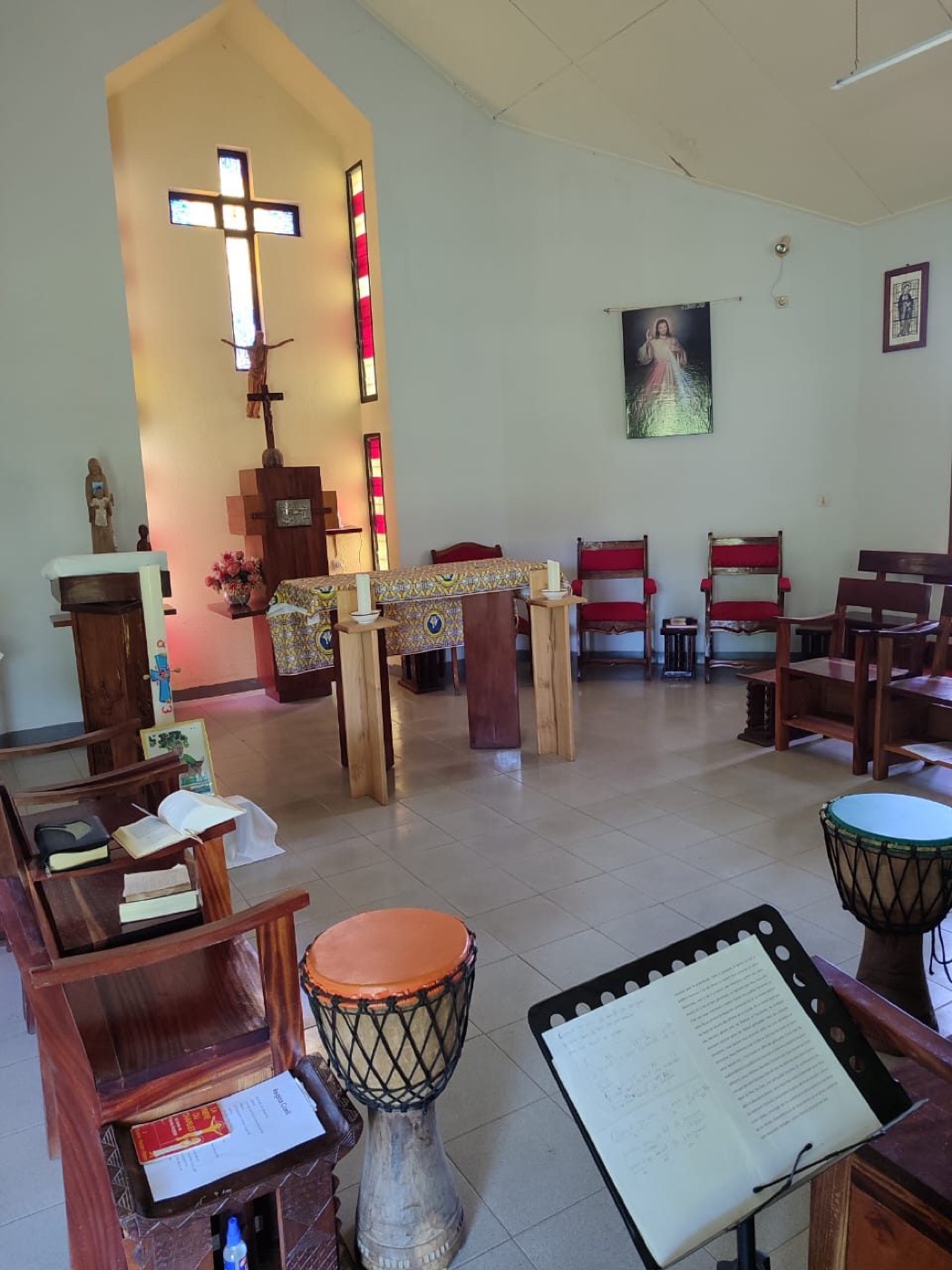
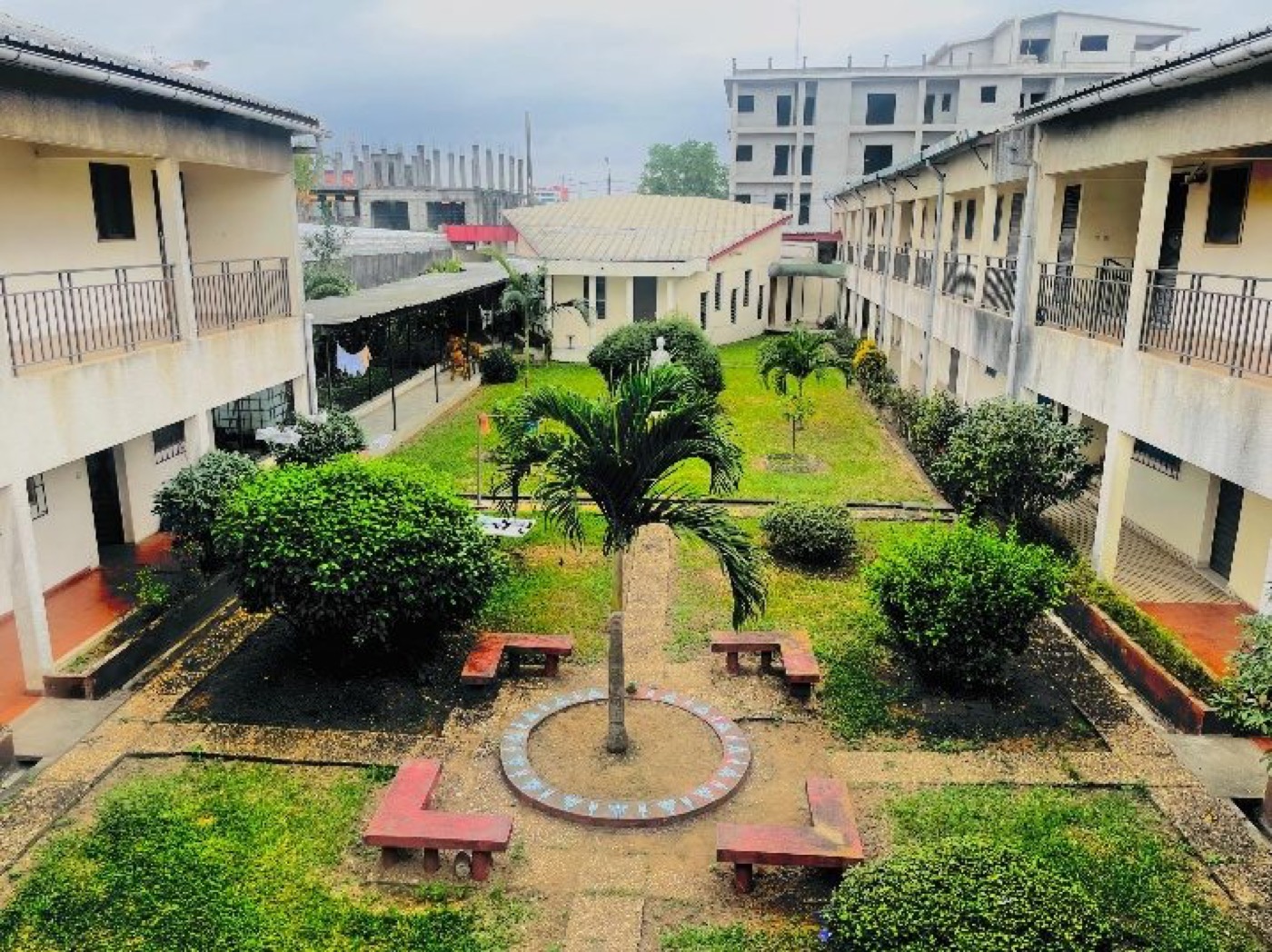
In the center: two communities of Saint Viator College of Bouaké; the Saint Viator Quasi-parish of N’Gattakro within the college, the Hostel-Novitiate community, and the Parish Community of Our Lady of Nazareth.
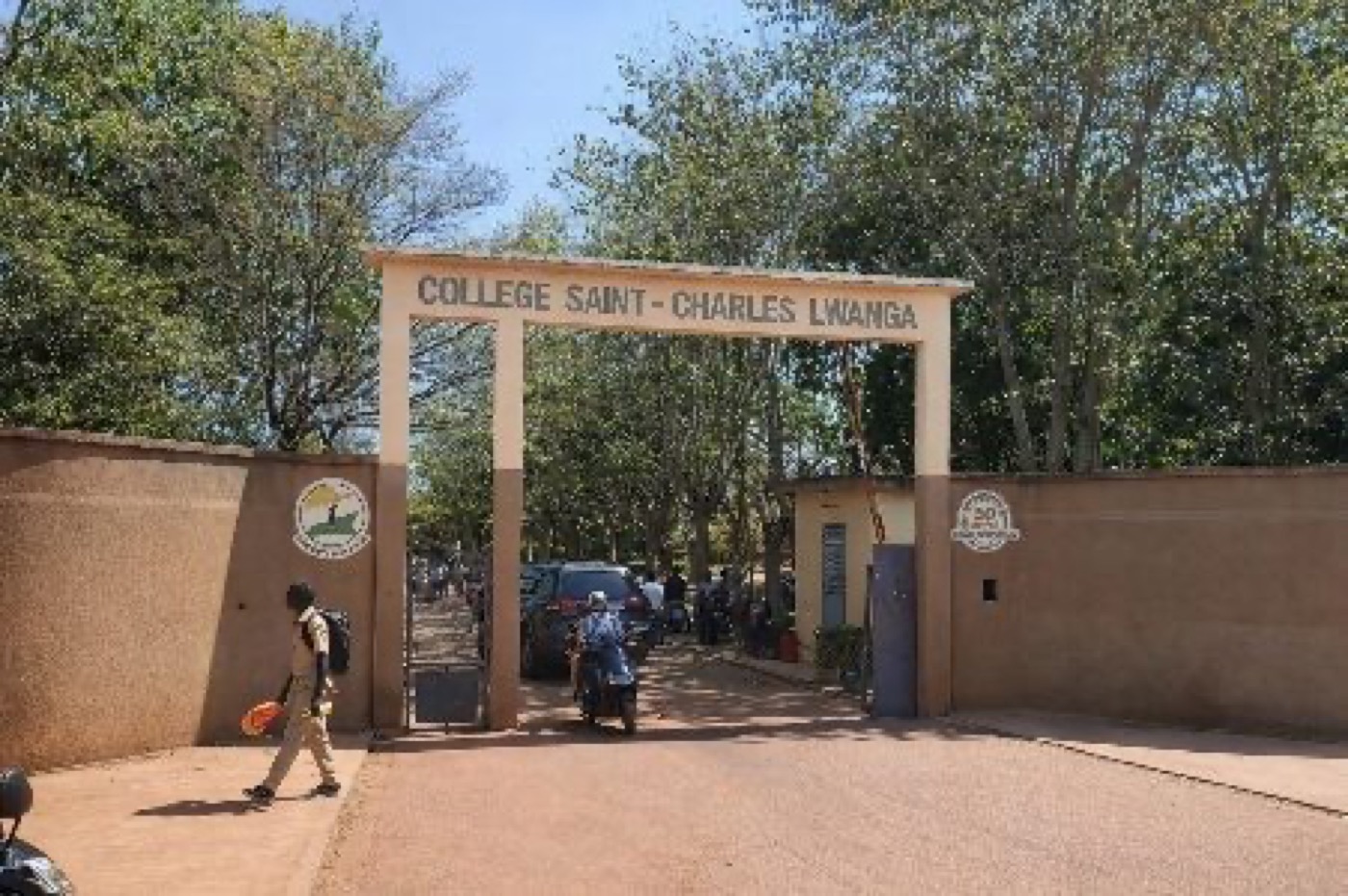
In the north: The community of Saint Charles Lwanga College with the Postulantship community within it and the presbyteral team of Saint John Mary Vianney Parish.
With the exception of the Conservatory, which is funded by the Region, and the parishes, which are diocesan, all of our works have a bipartite status. They are managed in collaboration with the diocese.
The evaluation of the different changes in status and adapted accompaniment.
The accompaniment of our Region after the acquisition of its new status.
The need for sufficient time for appropriation and evaluation of the texts and the reality of the Region.
The need for qualified personnel for specific missions.
Confidence in our superiors, in the vision they have of the community and the means to achieve it.
The Region of Ivory Coast is young and still has many fragilities, hence the need for sustained and adapted accompaniment.