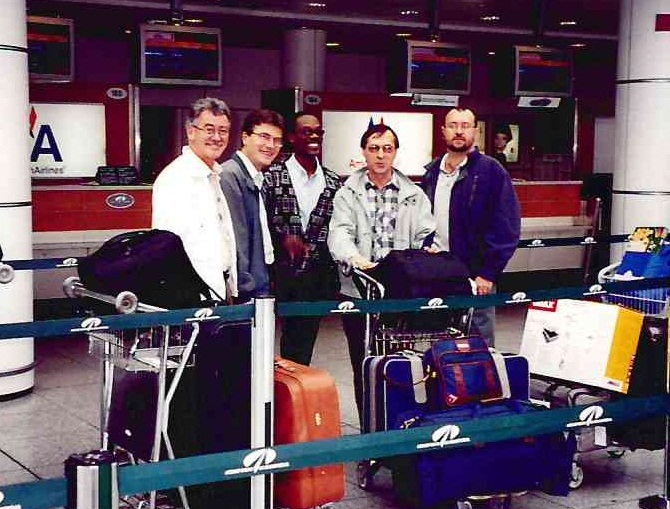
On October 7, 1999, a team of Clerics of Saint Viator, composed of one Haitian and four Canadians, took the step with boldness and determination toward a new missionary adventure in West Africa. After a 24-hour journey, they arrived in Ouagadougou, the country's capital, where they discovered a new culture, customs, clothing, and a very different climate. One member remembers this statement from the team: "In the name of Christ, let us open the paths of the Gospel!"
After twenty-six years of presence in this very welcoming and warm country, we can say that paths with an evangelical flavor are open before us and that, obviously, the Lord preceded us. The Community currently has 37 African religious, one Canadian religious, one Haitian religious, three novices, and three postulants.
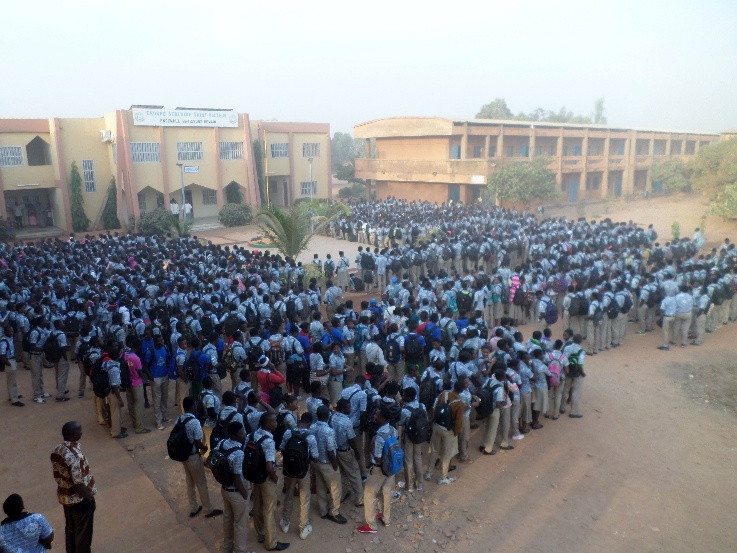
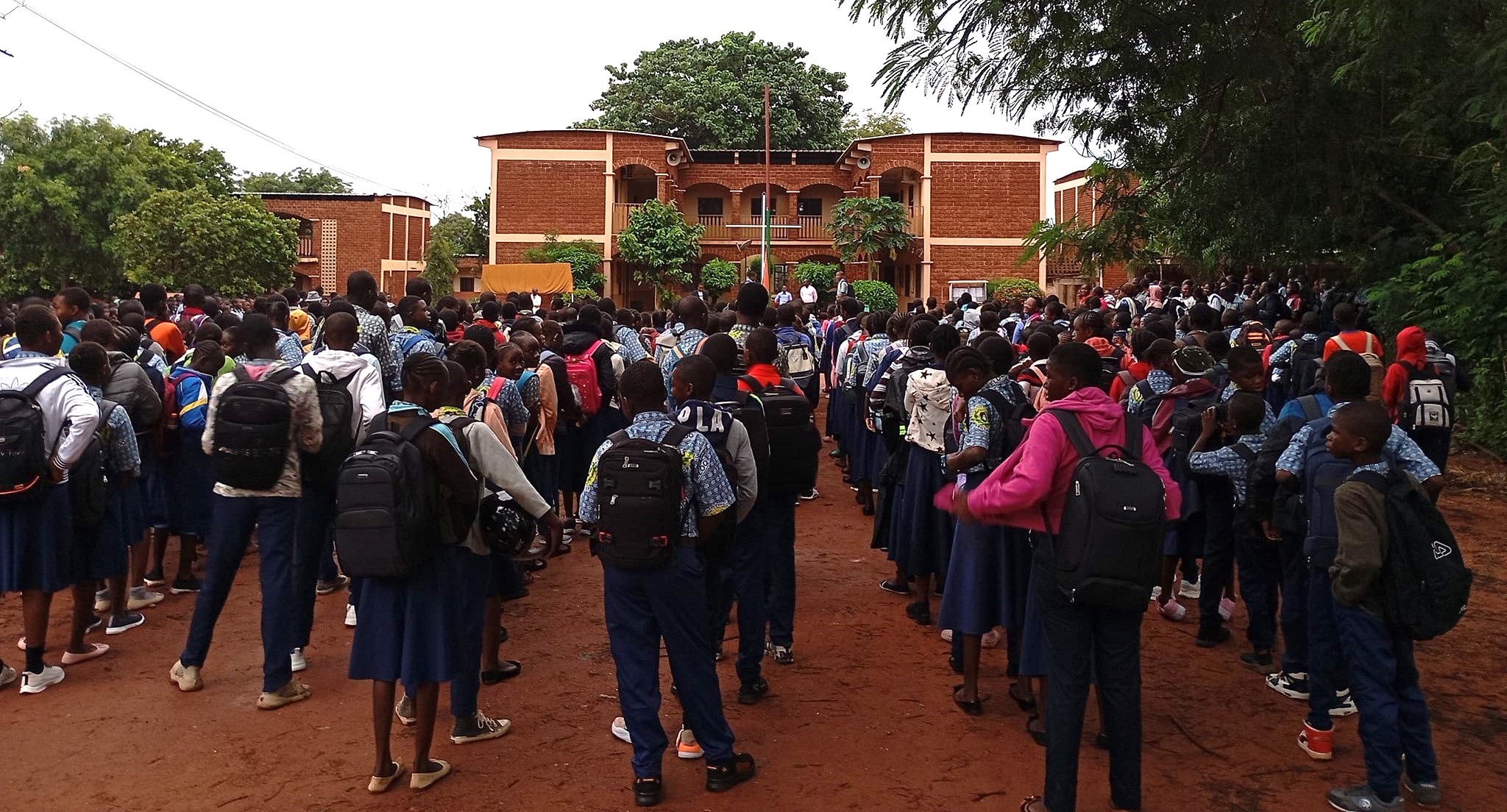
Thanks to the support of the Viatorians of Canada and other countries, several NGOs, parents, friends, and benefactors, we now have the responsibility for four colleges (Lycées) which bring together 4,575 students in this 2025-2026 school year in Ouagadougou, Saaba, Banfora, Boassa, and Bagré. The Bishop of Banfora also entrusted us with the responsibility of a new parish, in 2004, under the name of our patron saint. In 2020, a residence for Viatorian students was built in Saaba, which also allows for the hosting of other religious and diocesan priests in training at certain universities in the capital.
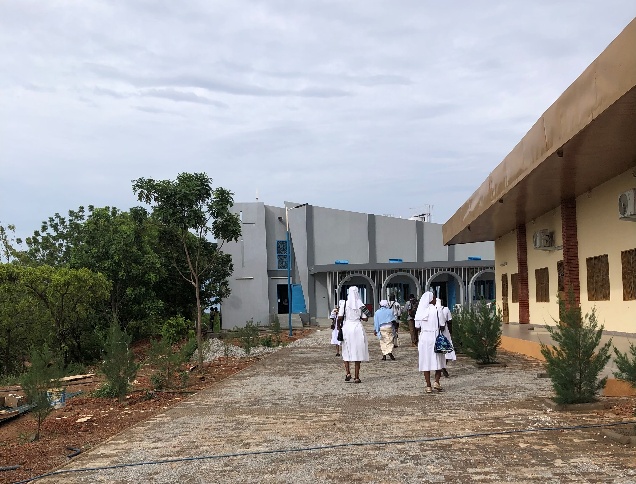
And on the outskirts of the capital, in Bagraogo, a novitiate and a reception center were born in January 2025 for formation and for the needs of the community and the inhabitants of the region.
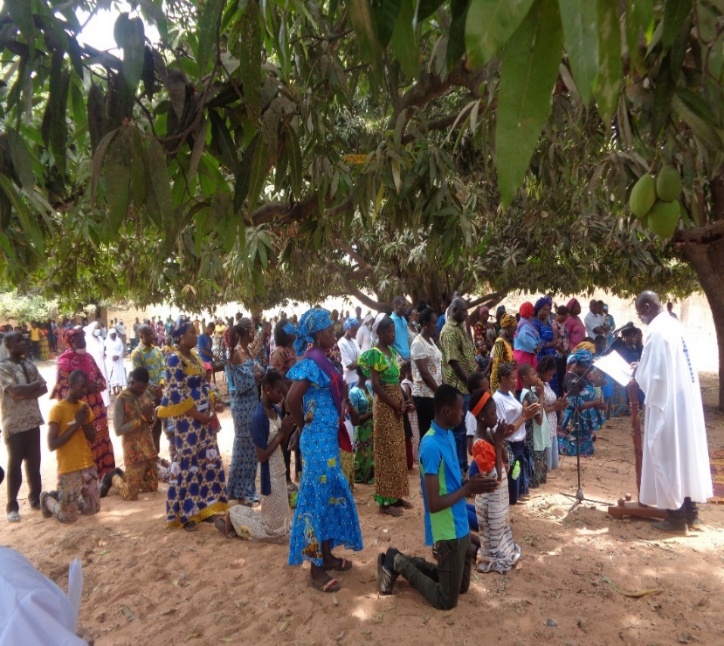
After only a century of evangelization, the Church-Family is well established in this West African country. It is alive, dynamic, and inculturated in local customs. For example, in Burkina Faso, it is customary to ask for "the news" from visitors who present themselves, after having offered the traditional glass of water. The news is given while sitting. This custom also applies to Eucharistic celebrations where, at the time of the reading of the Gospel, the assembly is invited to sit to listen to the Good News.
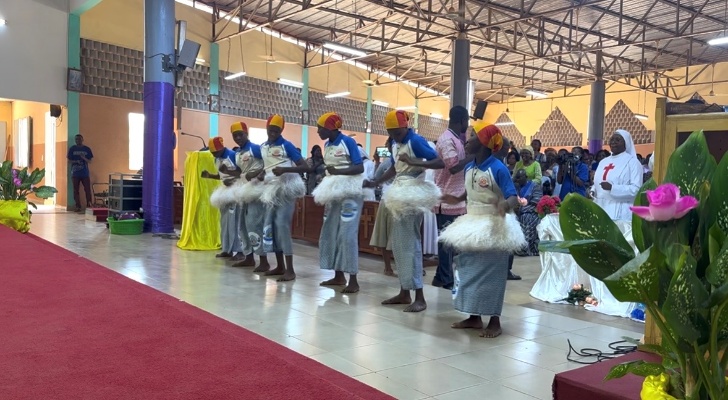
In Africa, it is important to celebrate our faith with beauty and joy. Time does not count. That is why, during the liturgy, there are often traditional dances and processions accompanied by rhythmic songs and supported by the sound of djembes, balafons, koras, and xylophones. Often, there are as many people outside the church as inside due to lack of space.
Yes! In the name of Christ, the path traveled allows us to hope for the continuation of the Viatorian mission in the "Land of Honest Men." Whether on the arid soil of the north of the country or in the green granary further south, the heart of this population remains receptive, welcoming, and open to the word of God lived, deepened, and celebrated. Undoubtedly, seeing the results of the vitality of the Church-Family in Burkina Faso (priestly, male, and female vocations) and the mother and father catechists, a secure continuity for the future of the mission of evangelization in Burkina Faso is taking shape.