PROVINCE OF SPAIN
In 1903, the Clerics of Saint Viator, like other religious congregations, were forced to leave France to survive. On July 5, 1903, three Clerics of Saint Viator left Rodez (France) and moved to Spain. After intense searching, they were able to settle in Vitoria, Álava, on July 24 of the same year. These French religious were Teófilo Delmas, Enrique Amiel, and León Valentin.
The Viatorian work expanded during the first third of the 20th century. Small schools opened in cities and towns in Asturias, the Basque Country, Huesca, and Malaga, with a seminary in Escoriaza serving as a nursery since 1921. The number of Spanish religious increased, while French religious continued to support the works and provide financial resources.
In 1937, the Spanish Viatorian reality achieved a certain level of autonomy when it was declared a “Vice-province.” It was not until April 18, 1948, that it fully became a “Province” and began to operate independently from Rodez, its mother province. In 1950, a new seminary opened in Sopuerta (Vizcaya).
In November 1957, religious from the Spanish province began their presence in Chile. Over the years and with the increase of Chilean religious, it became the new “Province” of the Congregation in February 2003.
April 5, 1980, Easter, is another significant date. It marked the beginning of a new path leading to the current “Spanish Viatorian Community” with the incorporation of the first “associated members.” Today, the Province of Spain consists of 58 religious and 71 associates, forming 11 communities in Spanish territory and one in Honduras. Eight of these are composed of both religious and associates, and three consist only of religious.
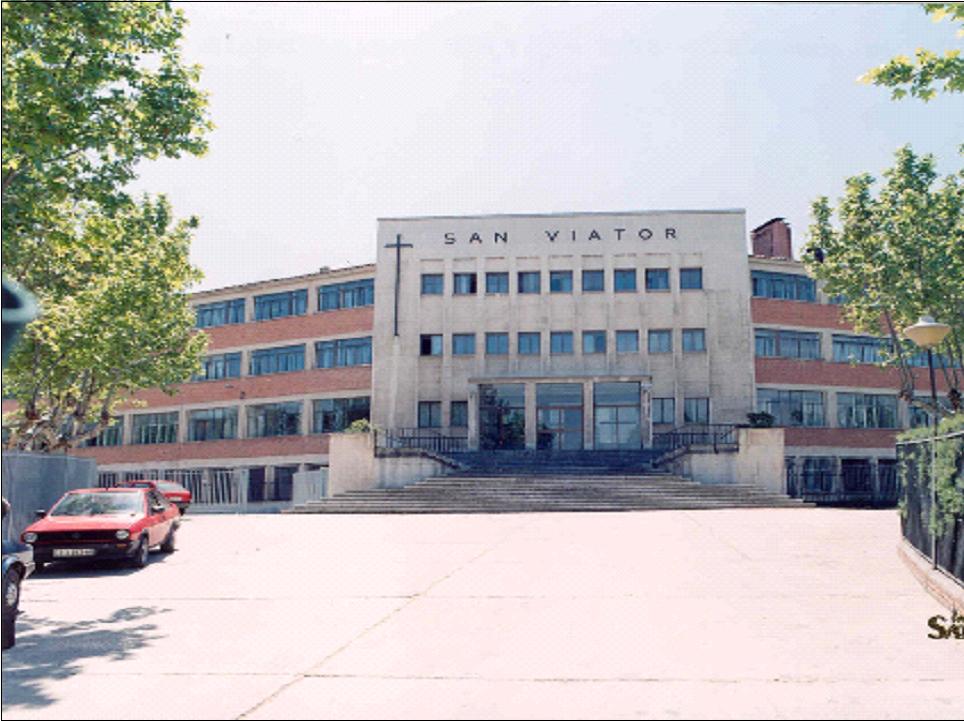
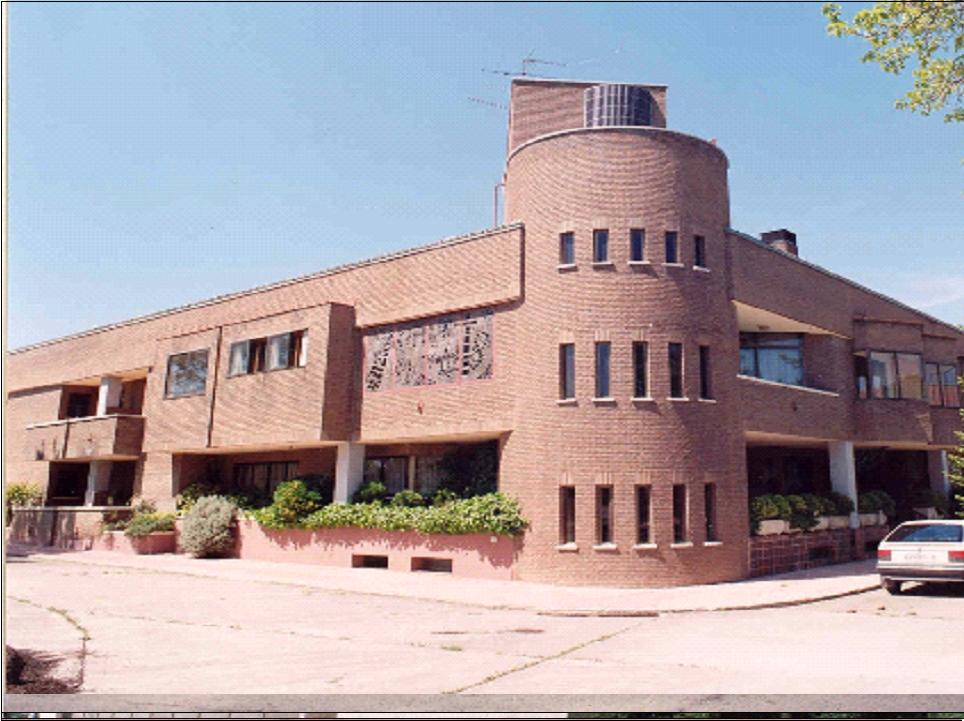
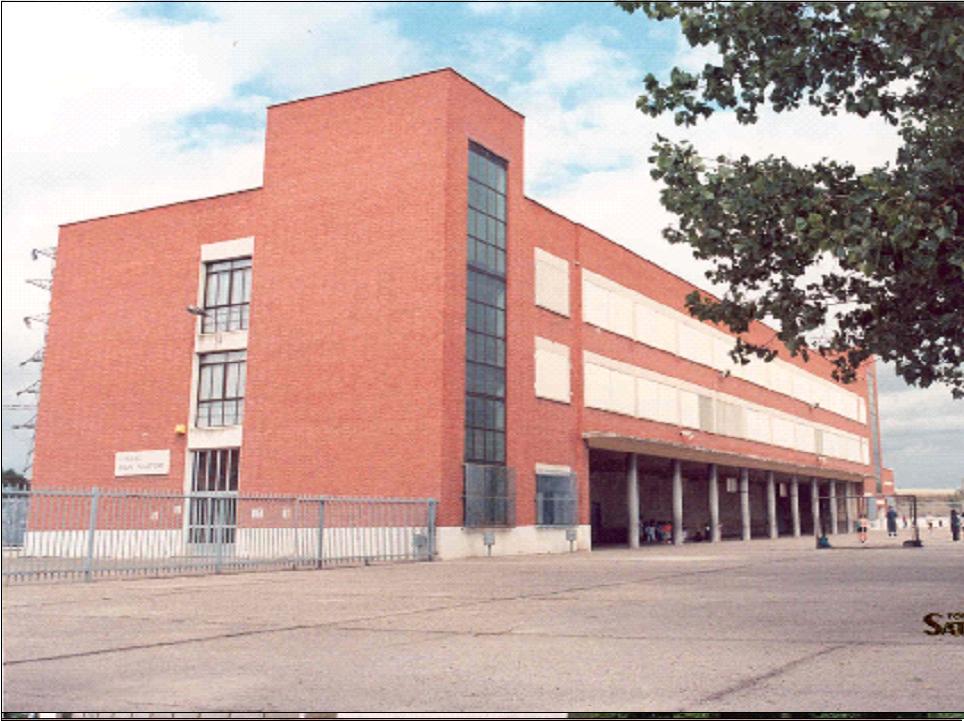
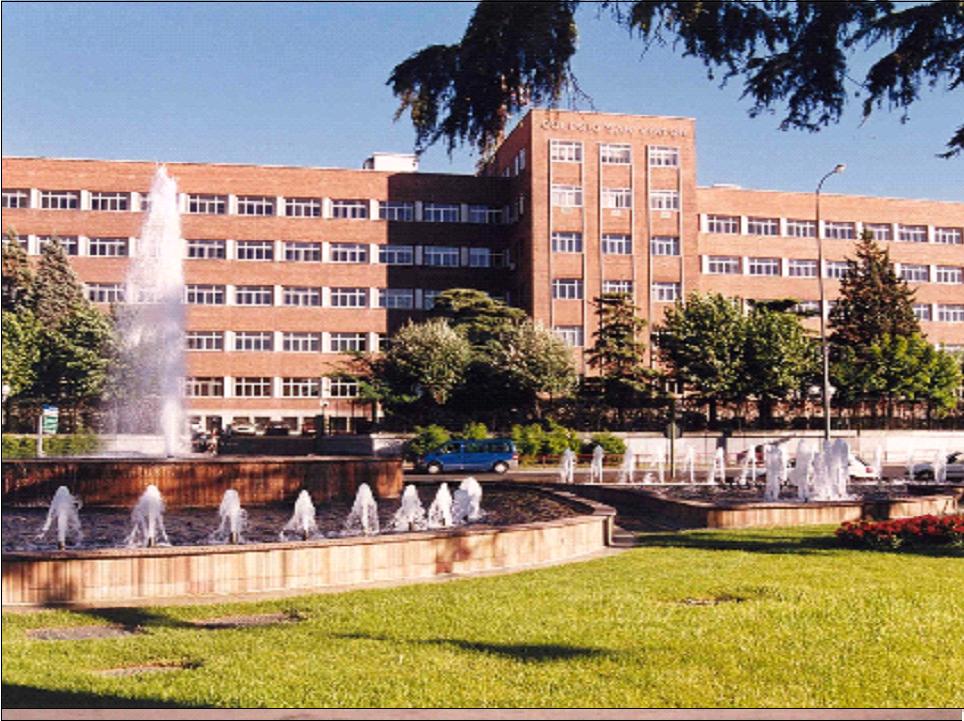
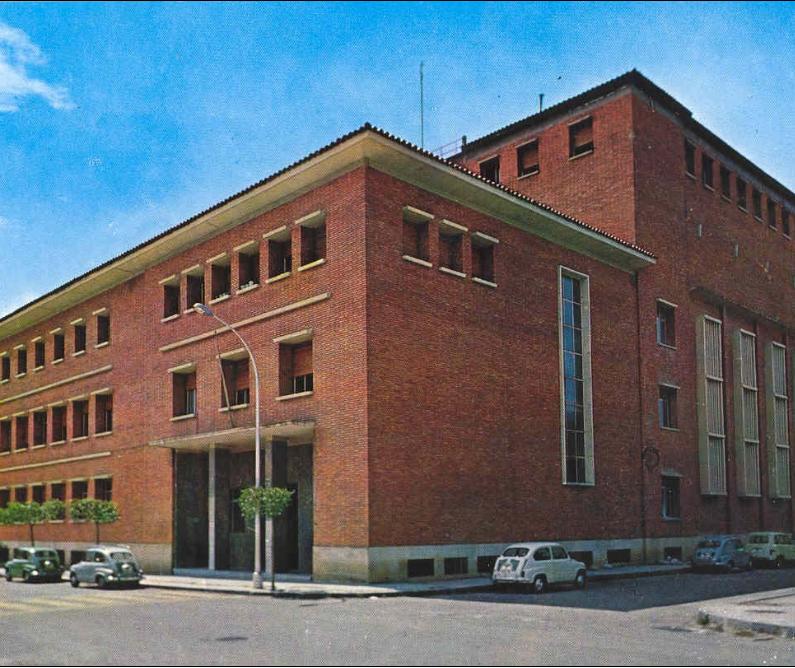
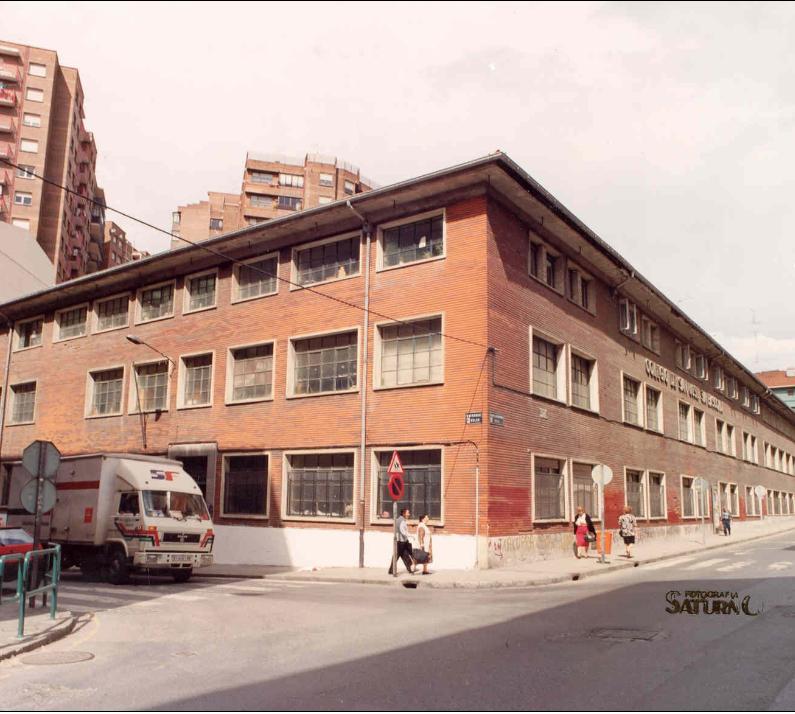
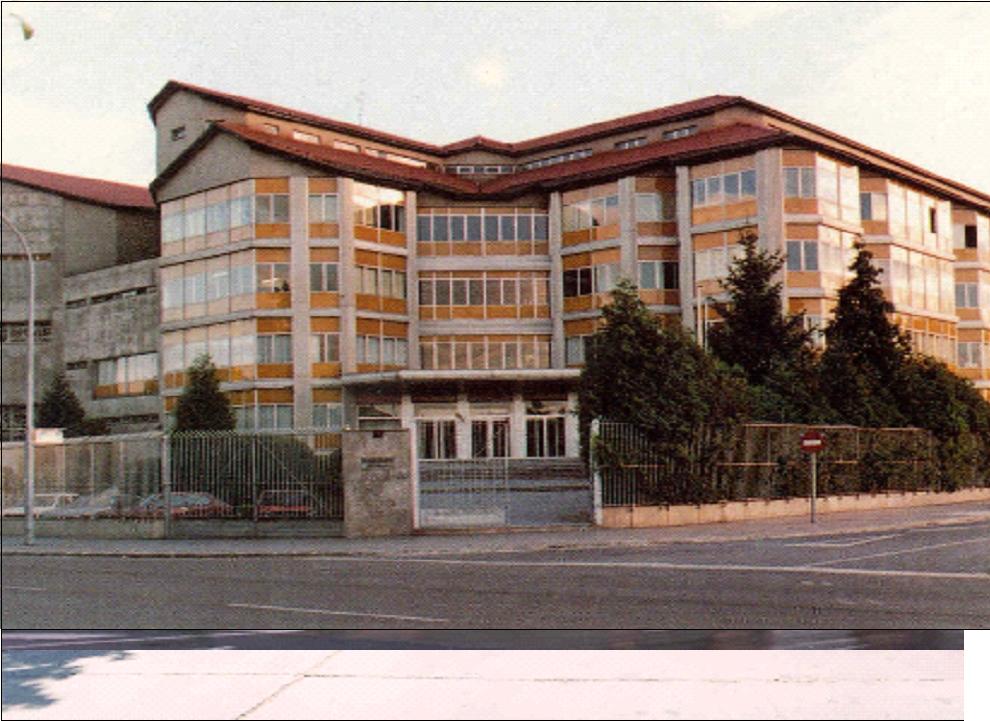
Our presence and collaboration also extend to Ivory Coast and Chile. Our pastoral work has traditionally been developed through school education. Currently, there are 6 schools under Viatorian ownership: San José in Basauri (Vizcaya), San Viator in Huesca, Ntra. Sra. De Fátima in Madrid, San Viator in Madrid, San Viator in Vitoria-Gasteiz, and San Viator in Jutiapa (Honduras). Three of them—San Viator Madrid, San Viator Vitoria, and San Viator Jutiapa—offer a complete educational program up to university entrance; the other three conclude at the end of secondary education (up to age 16).
Since 1985, our pastoral work has expanded into the parish field. This has grown, and we currently have a parish in Jutiapa (Honduras) and collaborate with the dioceses of Huesca, Madrid, Vitoria, and Valladolid. A significant number of retirees are personally committed to various pastoral, social, and welfare tasks within the parish setting.
We carry out awareness, education, and commitment to solidarity and social justice not only in schools and parish centers with Caritas, etc., but also through our NGO SERSO San Viator, the Aldaba Foundation (Proyecto Hombre), and other social foundations. We are also present in the media through our website, social networks, and various personal blogs.